Award Recipients
ประกาศผลในวันที่ 14 มีนาคม 2567
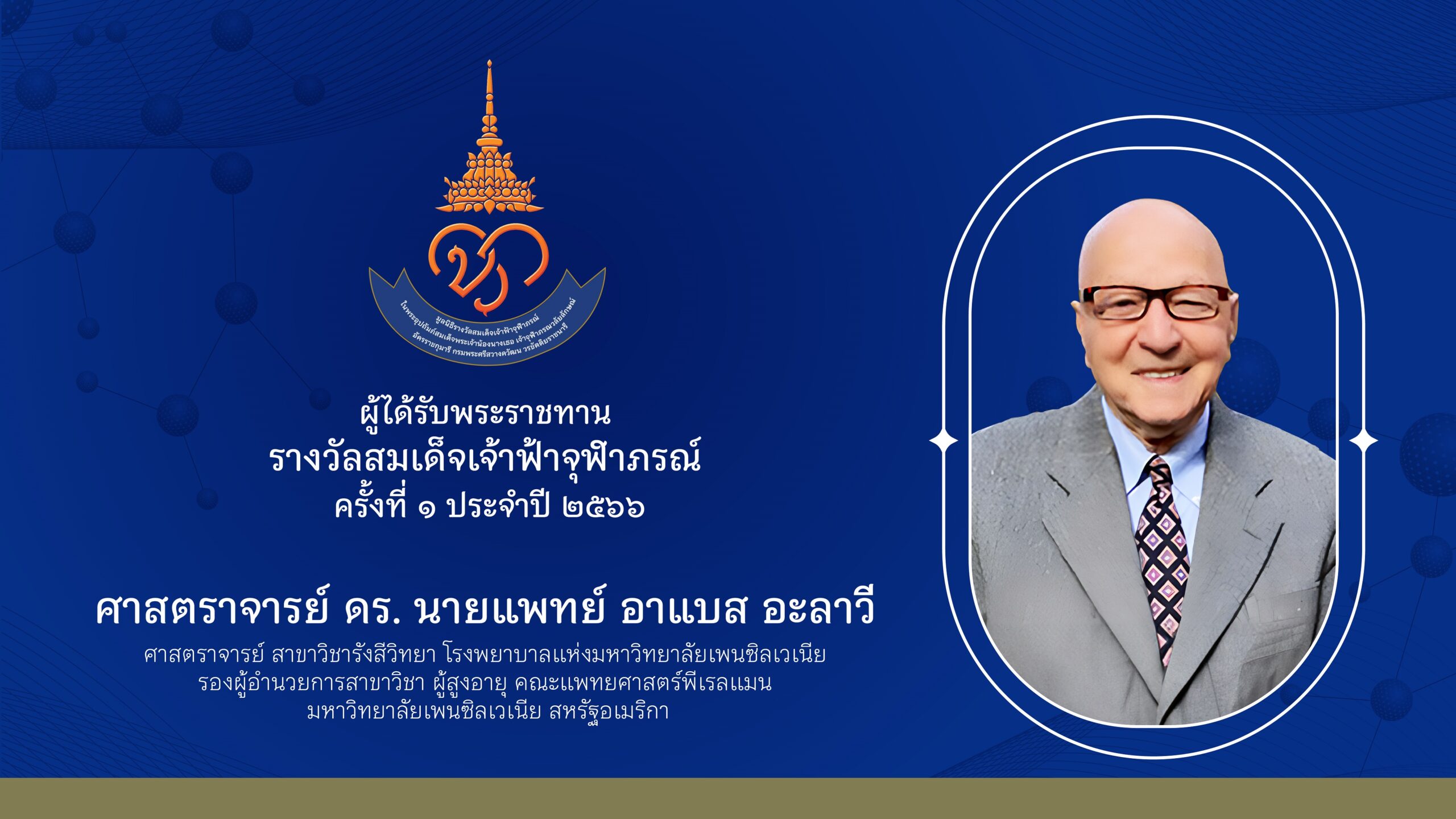
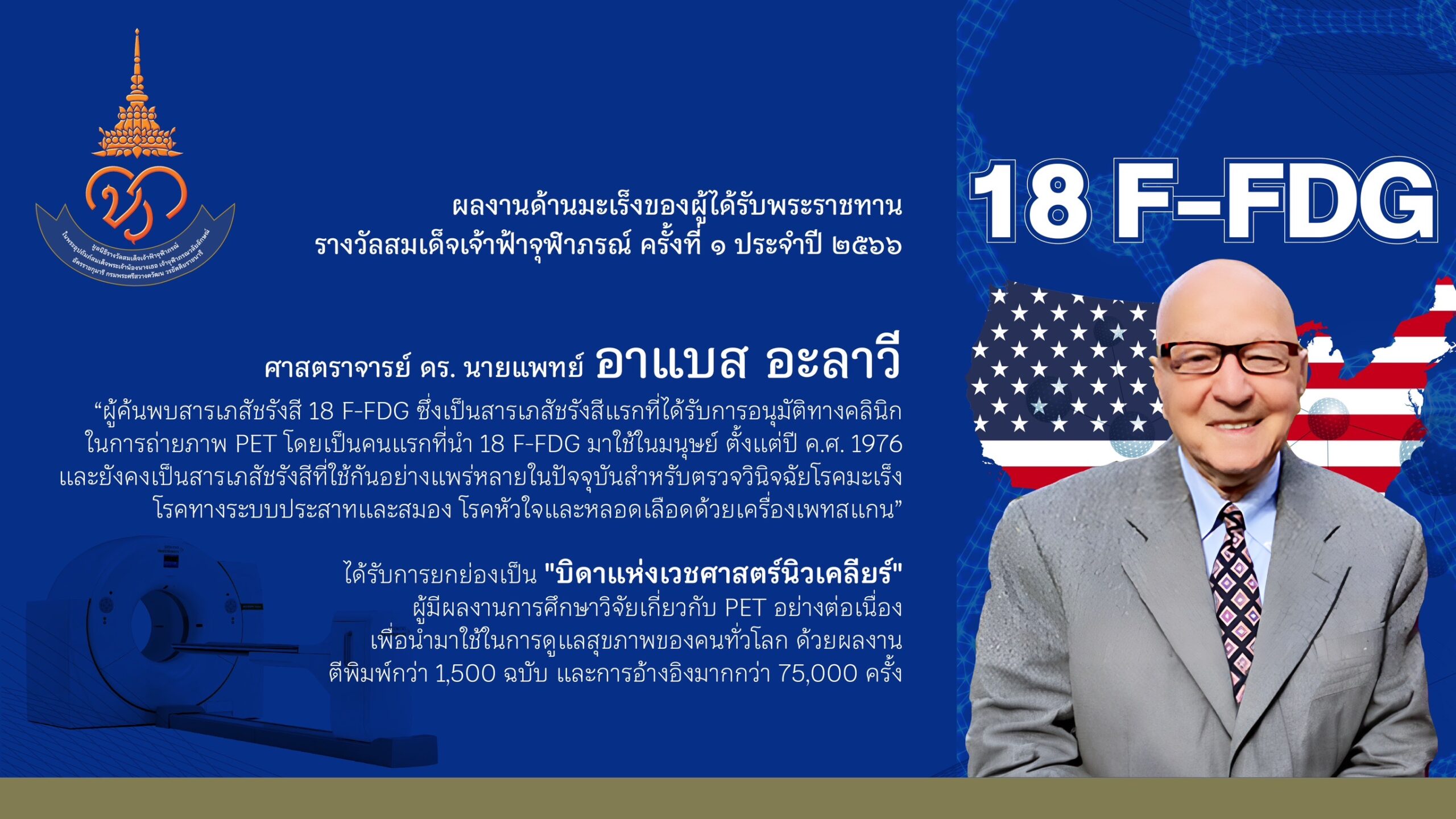
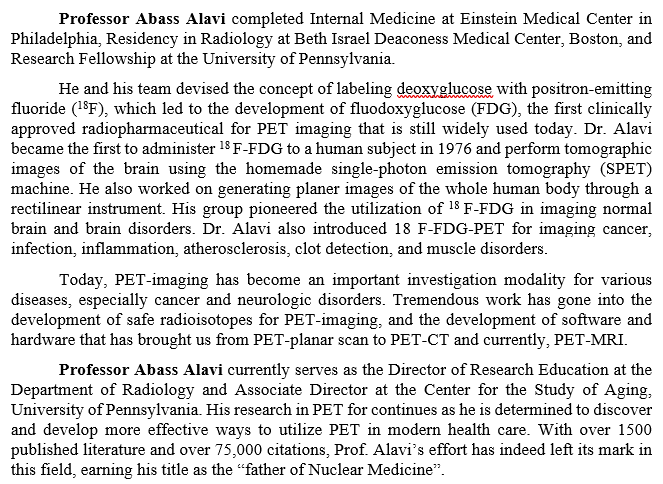
Abass Alavi, MD, MD(Hon), PHD(Hon), DSc(Hon)
Professor of Radiology at the Hospital of the University of Pennsylvania
Associate Director at the Institute on Aging at the University of Pennsylvania Perelman School of Medicine



Biography of the Royal Award Recipient
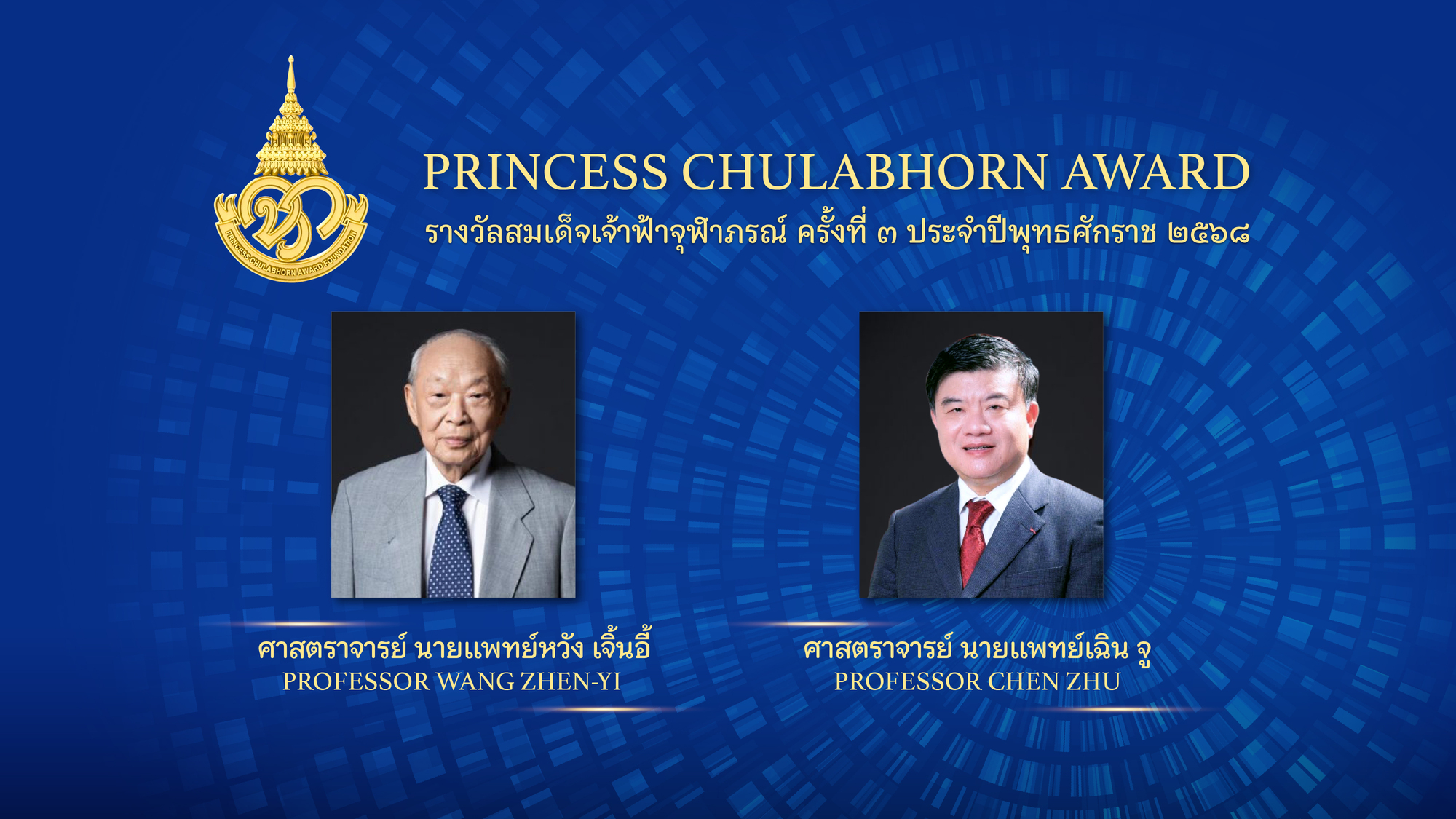
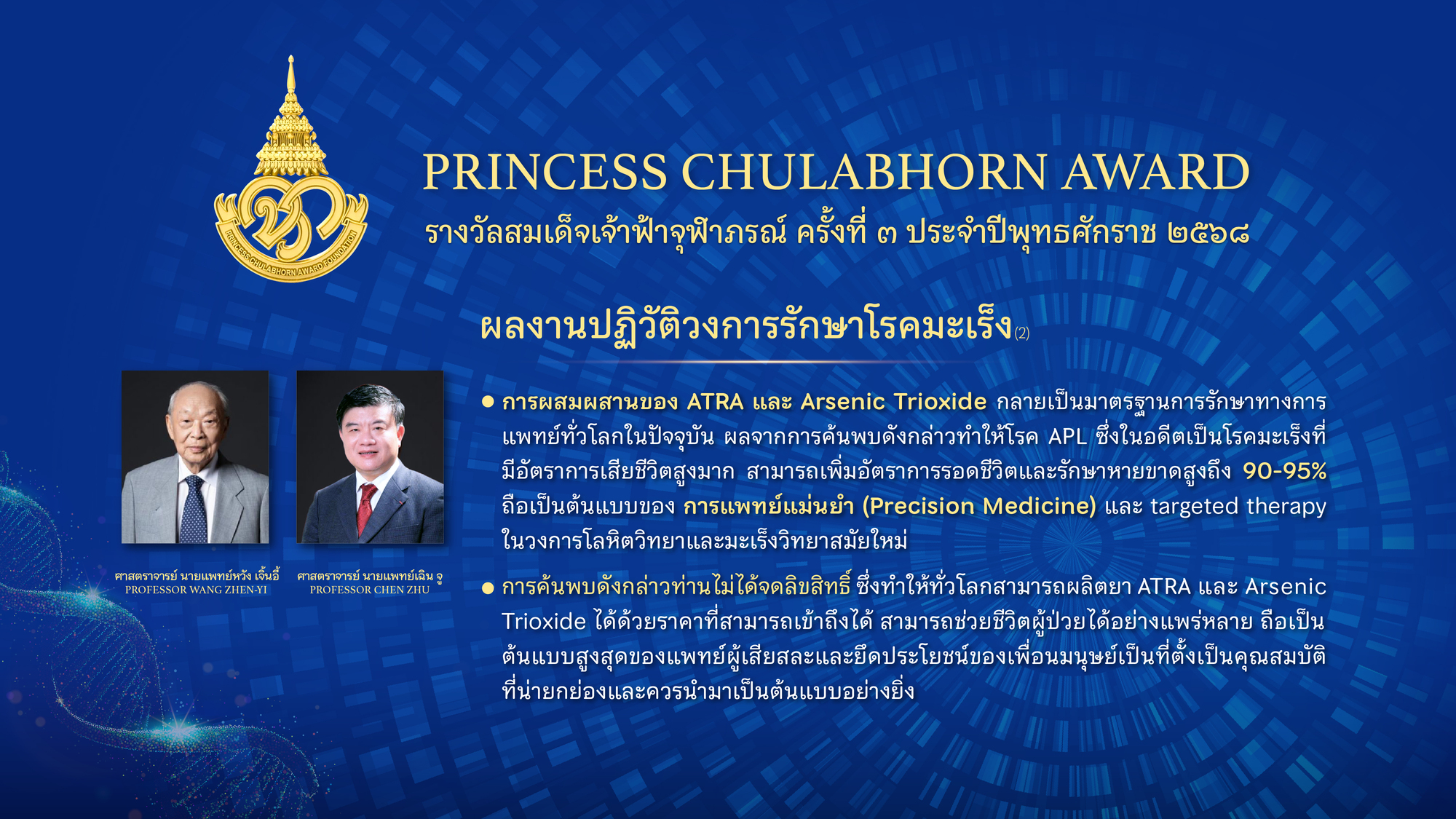
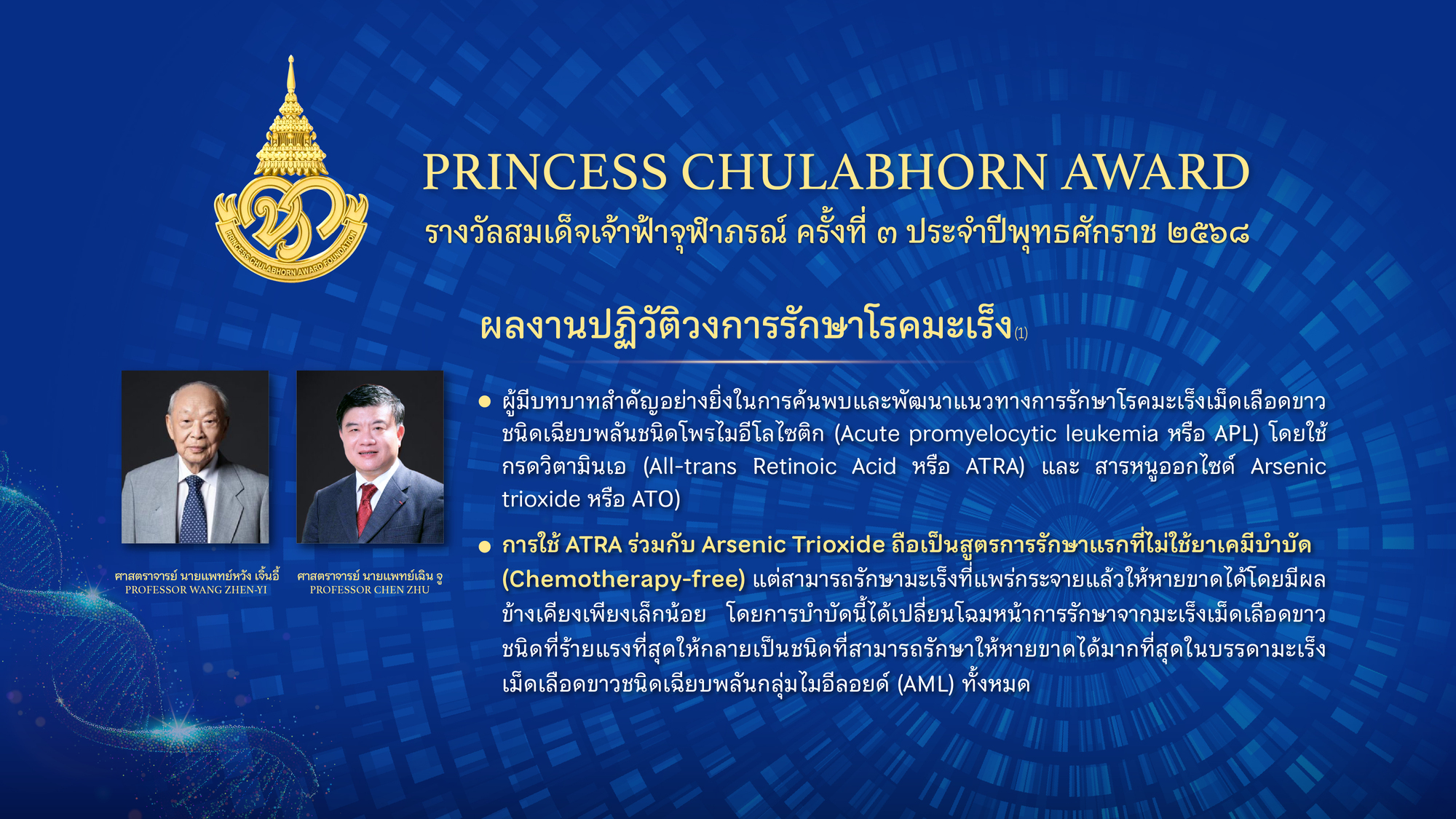
Professor Wang is best known for his discovering the cure for acute promyelocytic leukemia (APL) using all-trans-retinoic acid (ATRA) in 1986. Professor Chen in collaboration with Professor Wang first described an excellent efficacy of arsenic trioxide (ATO) on APL in 1990. This therapy drastically transformed the APL from the worst type to the most curable type of the lethal acute myeloid leukemia. They discovered one of the first cancer target treatments which ‘educated’ transformed cancer cells to become normal cells without cytotoxicity and hence showing minimal side effects. This turned out to be the prototype of target therapy for cancer. The combination of ATRA plus ATO is the first chemotherapy-free regimen that can cure disseminated cancer with minor side effects. This regimen is currently the standard of care. Notably, they did not patent their discoveries making the treatments immediately available to all patients including in low-income countries.
Professor Wang Zhen-Yi
Prof. Wang was born on 30 November 1924 in Shanghai, China. He graduated from the Aurora University in Shanghai in 1948 and obtained his M.D. degree.
From 1948 to 1960, Wang completed his residency and worked as a physician at Ruijin Hospital in Shanghai.
Career
From 1960 to 1982, he taught at Shanghai Second Medical University and became the dean of its pathology and physiology departments.
Professor Zhu Chen, the co-recipient of the award was previously one of his students.
From 1982 to 1984, Director of the Division of Basic Medicine of Shanghai Second Medical University.
From 1984 to 1988, President of Shanghai Second Medical University.
From 1987 to 1996, Director of Shanghai Institute of Hematology (SIH).
Currently, Honorary Director of School of Medicine of Shanghai Jiao Tong University, Shanghai, China.
Awards and honors
1992, Foreign Member, French Academy of Sciences, France
1993, Légion d’honneur, France,
1994, Kettering Prize for Cytodifferentiation Therapy,
1994, Member, Chinese Academy of Engineering,
1997, Charles Rodolphe Brupbacher Prize given for his “extraordinary contributions to basic oncological research.” Switzerland,
1998, Prix mondial Cino Del Duca for Science, France,
2000, Qiushi Distinguished Scientist Award, Hong Kong
2000, ISI Citation Classic Award,
2001, Honorary Doctor of Science degree from Columbia University, USA
2003, Ham-Wasserman Lecturer, American Society of Hematology (ASH).
2024, Medal of the Republic (China): The highest honorary medal of the People’s Republic of China
Prof. Zhu Chen
Prof Chen was born in Shanghai on 17 August 1953. He began his medical career by spending five years in rural China as a ‘barefoot doctor’. Prof. Chen obtained his master’s degree from the Shanghai Second Medical Sciences University in 1981 and later obtained his Ph.D. from the Paris Diderot University in France. Chen completed his medical residency and postdoctoral research at the same university and its teaching hospital.
Career
Prof. Chen is former President of the Shanghai Institute of Hematology and former Director-general of the China Human Genome Center (South) in Shanghai.
In 2024, he was the president of the Red Cross Society of China
He is an Academician of the Chinese Academy of Sciences, foreign associate of the United States National Academy of Sciences, foreign member of the US Institute of Medicine, foreign member of the French Academy of Sciences, and a member of The World Academy of Sciences (TWAS).
He is also a Member of the European Academy of Arts, Sciences and Humanities. He was elected an Honorary Fellows of the UK Academy of Medical Sciences in 2008.
Awards
State Scientific and Technological Award by the Chinese government and the “Prix de l’Qise” by “La Ligue Nationale contre le Cancer” of France (he is the first non-French winner).
2002, Legion of Honour from French Government
2005, Honorary Doctor of Science, the University of Hong Kong.
2010, Honorary degree (Doctor of the University) by the University of York, England, at a ceremony in Beijing.
2012, 7th Annual Szent-Györgyi Prize for Progress in Cancer Research by the National Foundation for Cancer Research
2018, Sjöberg Prize by the Royal Swedish Academy of Sciences
Their area of achievement is the use of purely double target therapy (All-trans retinoic acid (ATRA) plus arsenic trioxide (ATO) to cure acute promyelocytic leukemia.
Acute promyelocytic leukemia (APL) comprises 5-20% of acute myeloid leukemia. Before 1985, the disease was often fatal because chemotherapy could induce massive bleeding from disseminated intravascular coagulation (DIC) with the survival of only 30-40%. APL is characterized by chromosomal translocation t(15; 17) resulting in the fusion oncoprotein PML/RARa (Retinoic acid receptor a)
In 1985, Prof. Wang Zhen-Yi reported the use of all-trans retinoic acid (ATRA) which targeted the RARa part of the PML/RARa oncoprotein combined with chemotherapy. ATRA caused differentiation of leukemic cells into mature cells without cell kill and, hence, no DIC. The survival rate was increased from 30-40% to 86% making ATRA plus chemotherapy the standard therapy for APL.
In 1990, Prof. Zhu Chen and Prof, Wang reported the successful use of arsenic trioxide (ATO) in relapsed/refractory APL showing very good outcomes. ATO targeted the PML part of the PML/RARa oncoprotein similarly causing leukemic cell differentiation without cytotoxicity.
In 2006, they reported the combined ATRA plus ATO as a chemotherapy-free regimen to treat newly diagnosed APL. The long-term overall survival was as high as 94-98%. The regimen becomes the standard of care for APL until now
For 40 years after their discoveries, a great number of lives have been saved from APL while serious adverse effects of chemotherapy have been avoided worldwide. In recognition of their revolutionary contributions in cancer target therapy which paved the way for innumerous research, the Board of Trustees of the Princess Chulabhorn Award Foundation unanimously agreed that Professor Wang Zhen Yi and Professor Zhu Chen are the worthiest recipients of the Princess Chulabhorn Award for the year 2025.
Key Publications
- Huang ME, Ye YC, Chen SR, Chai JR, Lu JX, Zhoa L, Gu LJ, Wang ZY. Use of all-trans retinoic acid in the treatment of acute promyelocytic leukemia. Blood. 1988;72:567-72..
- Chen GQ, Zhu J, Shi XG, Ni JH, Zhong HJ, Si GY, Jin XL, Tang W, Li XS, Xong SM, Shen ZX, Sun GL, Ma J, Zhang P, Zhang TD, Gazin C, Naoe T, Chen SJ, Wang ZY, Chen Z. In vitro studies on cellular and molecular mechanisms of arsenic trioxide (As2O3) in the treatment of acute promyelocytic leukemia: As2O3 induces NB4 cell apoptosis with downregulation of Bcl-2 expression and modulation of PML-RAR alpha/PML proteins. Blood. 1996;88:1052-61.
- Chen GQ, Shi XG, Tang W, Xiong SM, Zhu J, Cai X, Han ZG, Ni JH, Shi GY, Jia PM, Liu MM, He KL, Niu C, Ma J, Zhang P, Zhang TD, Paul P, Naoe T, Kitamura K, Miller W, Waxman S, Wang ZY, de The H, Chen SJ, Chen Z. Use of arsenic trioxide (As2O3) in the treatment of acute promyelocytic leukemia (APL): I. As2O3 exerts dose-dependent dual effects on APL cells. Blood. 1997;89:3345-5
- Shen ZX, Chen GQ, Ni JH, Li XS, Xiong SM, Qiu QY, Zhu J, Tang W, Sun GL, Yang KQ, Chen Y, Zhou L, Fang ZW, Wang YT, Ma J, Zhang P, Zhang TD, Chen SJ, Chen Z, Wang ZY. Use of arsenic trioxide (As2O3) in the treatment of acute promyelocytic leukemia (APL): II. Clinical efficacy and pharmacokinetics in relapsed patients. Blood. 1997;89:3354-60.
- Shen ZX, Shi ZZ, Fang J, Gu BW, Li JM, Zhu YM, Shi JY, Zheng PZ, Yan H, Liu YF, Chen Y, Shen Y, Wu W, Tang W, Waxman S, De Thé H, Wang ZY, Chen SJ, Chen Z. All-trans retinoic acid/As2O3 combination yields a high quality remission and survival in newly diagnosed acute promyelocytic leukemia. Proc Natl Acad Sci U S A. 2004;101:5328-35.